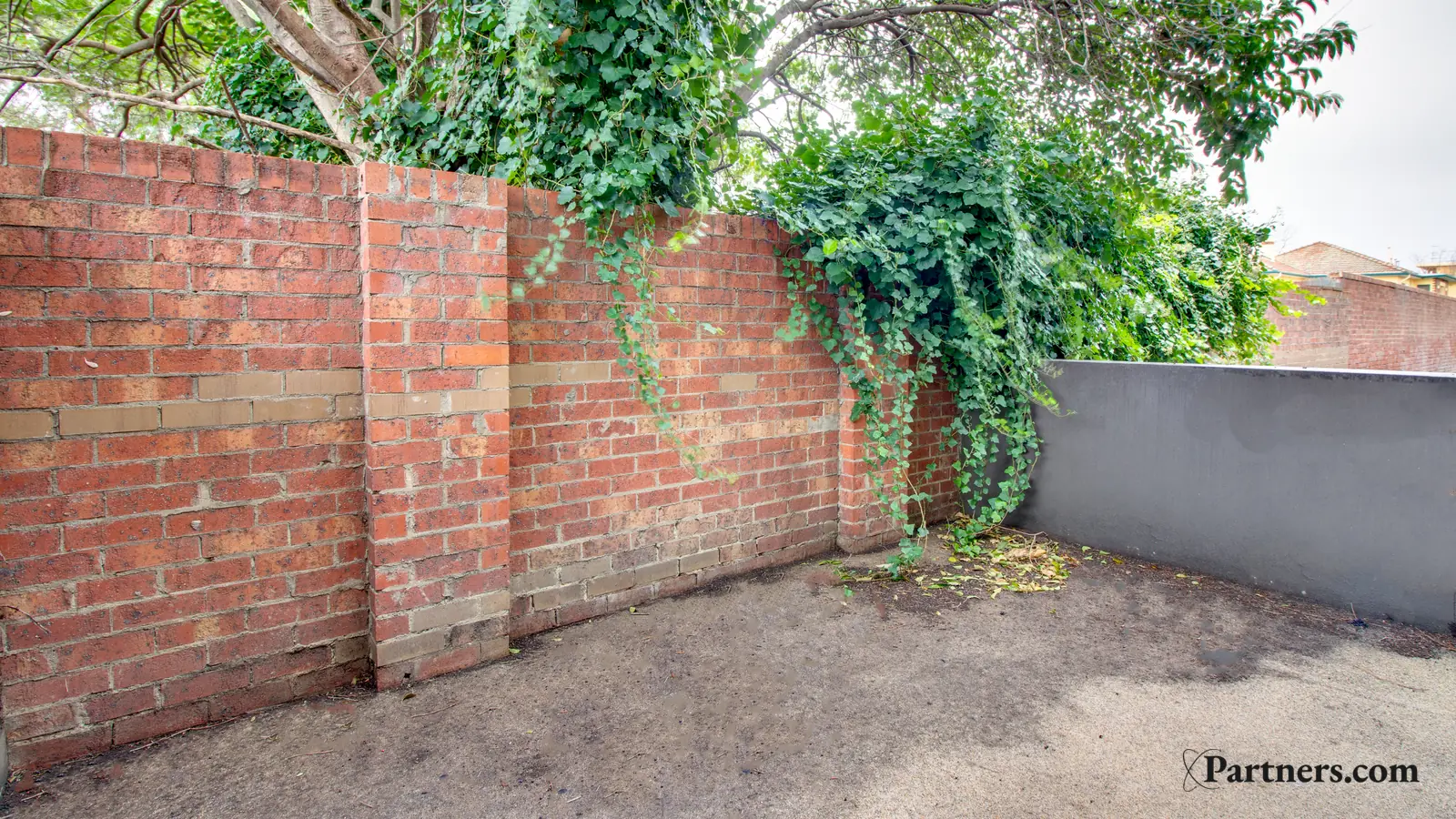
In Paraguayan towns any owner can make the neighbour share the cost of a dividing wall of stone or brick, 2 metres high unless municipal rules say otherwise. The first to build may set half the wall on the neighbour's land, up to 45 cm thick.
By Emilio Marruso · Updated


In Paraguayan towns any owner can make the neighbour share in building and repairing the wall that separates their plots, in stone or brick and 2 metres high unless municipal rules set another height. Whoever builds first on a plot not yet separated by walls may set half of the wall on the neighbour's land, provided it is no more than 45 centimetres thick. These are the party wall rules (medianería) in Book Four of the Civil Code (Law No. 1183/1985), Articles 2103 to 2123.
1. The wall the neighbour must share
- The first to build in a town, on land not yet separated by walls, may place half of the new wall on the neighbour's side, if it is of stone or brick up to 2 metres and no thicker than 45 centimetres (Article 2110).
- Any owner can require the neighbour to help build and repair dividing walls of that material and thickness; the height is 2 metres unless municipal rules set another. The neighbour cannot escape by abandoning the land or the existing wall (Article 2111).
- A wall built entirely on your own land where enclosure is compulsory: half its value and of the land under it can be claimed from the neighbour only if the neighbour wants to use it (Article 2112).
2. When a wall is presumed shared
Unless documents or physical signs prove otherwise, the law presumes shared: dividing walls between adjoining buildings up to the common height, and walls between courtyards, gardens and other open spaces (Article 2104). The presumption does not apply when the wall stands entirely on one plot (Article 2105), and a title deed prevails over physical signs (Article 2106).
3. Using and raising the wall
- Use: each neighbour may lean any kind of construction against the party wall and set beams into it, without damaging it or hindering the other's equal rights (Article 2113).
- Raising it: each may raise the wall at their own cost, paying any extra upkeep that results; if it cannot bear the extra height, the one raising it rebuilds it at their own cost, taking the extra thickness from their own land (Article 2114).
- Buying in later: the neighbour who did not pay for the extra height can always acquire it by paying half the cost and half the extra land used (Article 2116).
4. Who pays for repairs
Co-owners of a party wall pay repairs and rebuilding in proportion to their rights (Article 2107). A neighbour can stop contributing by renouncing the party wall, unless the wall is part of a building they own or the repair became necessary through their own act; the other neighbour then becomes sole owner of the wall and the land under it (Articles 2107 and 2108).
5. Making a neighbour's wall shared
An owner whose plot borders a wall that is not shared may acquire the party wall over its whole length, or only up to the height of their own building, by paying half the value of the wall, or of the part acquired, and half the value of the land under it (Article 2117). Once acquired, the neighbours are on an equal footing, and the new co-owner may ask for openings incompatible with the party wall to be removed (Article 2118).
6. Trees and registration
Trees on a shared fence or ditch are presumed shared, and either neighbour may ask for them to be removed if they cause damage (Article 2121). Acquiring, abandoning or renouncing a party wall takes legal effect only once entered in the Property Registry (Article 2123).
What it means for an owner
- Check your municipality's height rules. The 2 metres apply only where there are none.
- Keep the receipts for any wall you build: they back a later claim for half the cost.
- Register any deal with the neighbour on the wall; without registration it has no legal effect.
Before buying, the certificates a notary checks are in the guide to certificates before signing; the builder's liability for a new home in the guide to building a home. The Real estate service of Partners.com S.A. checks title and boundaries before a purchase.